
Insights
Experiences
We created this section so you can learn what graduates of The White Box Project Institute are saying about their experience, as well as explore the valuable content we continuously develop with professionals, experts, and leaders who teach, study, and apply artificial intelligence in their fields.
At White Bx Project, we are recognized as experts and leaders in the ethical, responsible, and secure use of artificial intelligence.
He shares his experience and perspective on the importance of responsible artificial intelligence within the legal sector, in collaboration with White Bx Project.

He discusses the importance of having professionals trained in the responsible use of artificial intelligence within organizations, in the context of White Bx Project’s programs.

She reflects on technological transformation, risk management, and the importance of innovating responsibly, in collaboration with White Bx Project.

He shares his vision on the importance of aligning knowledge, regulatory frameworks, and ethics in the advancement of artificial intelligence as part of the initiatives promoted by White Bx Project.

She shares her educational experience and the academic guidance received through programs promoted by White Bx Project, highlighting the importance of professional preparation in artificial intelligence.

She shares her professional experience and the relevance of certification in artificial intelligence applied to the legal sector as part of the academic offerings of White Bx Project.

She shares how her training with White Bx Project has contributed to her professional growth and strengthened her performance in strategic roles related to artificial intelligence.

Coordinator and Professor — Universidad La Salle México
She shares her experience approaching artificial intelligence from a creative and architectural perspective, emphasizing the importance of understanding its legal and regulatory dimensions. From her academic perspective, she highlights the value of flexible, online, and accessible education, as well as the importance of preparing for a rapidly evolving technological environment that is already part of our professional and everyday lives, in collaboration with White Bx Project.

He shares his perspective on the need to regulate and responsibly use artificial intelligence within organizations, in collaboration with White Bx Project.

He shares his perspective on the challenges organizations face in the accelerated adoption of artificial intelligence and the importance of having specialized roles, such as the Chief Artificial Intelligence Officer (CAIO), to reduce risks and strategically orchestrate these efforts. Based on his collaboration with White Bx Project, he highlights the importance of training, certification, and raising the organizational maturity level to achieve responsible and effective AI adoption.

He explains how participating in the modules of The White Box Project Institute allowed him to gain access to new tools and knowledge related to artificial intelligence, particularly as White Bx Project collaborates with government institutions in the structuring of AI governance initiatives.

She shares her experience as a graduate of the Artificial Intelligence Compliance Officer Certification Program, highlighting the importance of protecting the human right to personal data protection in the context of artificial intelligence. She emphasizes that personal data has become the “new oil,” and that society must learn how to safeguard it responsibly.

She describes her experience at White Bx Project as extraordinary and beyond expectations. She reflects on how AI regulation is still in its early stages and stresses the importance of understanding risks that society is only beginning to recognize.

He shares his experience with the certification program, highlighting the value of interdisciplinary collaboration among professionals from different fields. He notes that this exchange of perspectives helps organizations evaluate whether they are properly managing AI compliance, particularly in Guatemala and other regions where AI governance is becoming increasingly relevant.

He explains how the association supports its members and companies such as White Bx Project, which plays an active role in the organization. White Bx Project’s founder and CEO, José Luis Hernández, serves as Executive Vice President of AIMX. He also highlights how WBP brings new ideas to the table, including the Artificial Intelligence Compliance Officer training program.

He emphasizes how the Artificial Intelligence Compliance Officer Certification offered by The White Box Project Institute provides confidence and certainty for organizations. He also discusses the importance of the Chief Artificial Intelligence Officer (CAIO) role in helping companies understand what should and should not be done with artificial intelligence, as well as the relevance of ISO/IEC 42001 for AI implementation.

She shares her innovative and disruptive experience at a Hispanic-American level. Beyond her professional interest, she also has a personal motivation to launch an initiative in her home country, Colombia, to train others in artificial intelligence. She highlights that White Bx Project provided her with the necessary tools to pursue this endeavor.

He describes his experience as “revolutionary,” as he calls it, in becoming certified as a Chief Artificial Intelligence Officer (CAIO) at The White Box Project Institute. He also emphasizes the importance of communication between departments to achieve more effective AI implementation within organizations.


She explains how the certification from The White Box Project Institute significantly strengthened her professional development. She highlights the program’s multidisciplinary approach—combining philosophical, technical, and regulatory perspectives—which helps organizations mitigate risks and improve the management of artificial intelligence.

He emphasizes that the protection of personal data has become one of the central policy agendas for governments and societies worldwide. Data has become one of the most valuable assets of the modern economy, and societies must learn how to effectively safeguard personal information.

He shares his positive experience during the certification at The White Box Project Institute, highlighting the high level of expertise of the faculty and their willingness to provide clear explanations. He also expressed interest in continuing his professional training through additional programs offered by the Institute.

She highlights her experience during the certification program, noting the quality of the instructors and the valuable insights she gained about the development of artificial intelligence initiatives in Mexico. The program also motivated her to pursue additional certifications in the field.

His experience began after a meeting focused on identifying key actors in emerging technologies. During this event, he met José Luis Hernández, Director of White Bx Project, who invited him to pursue certification as an Artificial Intelligence Compliance Officer (CAIO). This initiative allowed him to strengthen professional collaboration and connections between Mexico and the United Kingdom.

He shares his experience in challenging the traditional notion that legal professionals do not engage with technology. Through The White Box Project Institute, he recognized that knowledge today is inherently interdisciplinary. He highlights that the role of the Artificial Intelligence Compliance Officer contributes to ensuring that AI has a positive impact on society.

Podcast
IA 4US
The White Box Project Institute Podcast
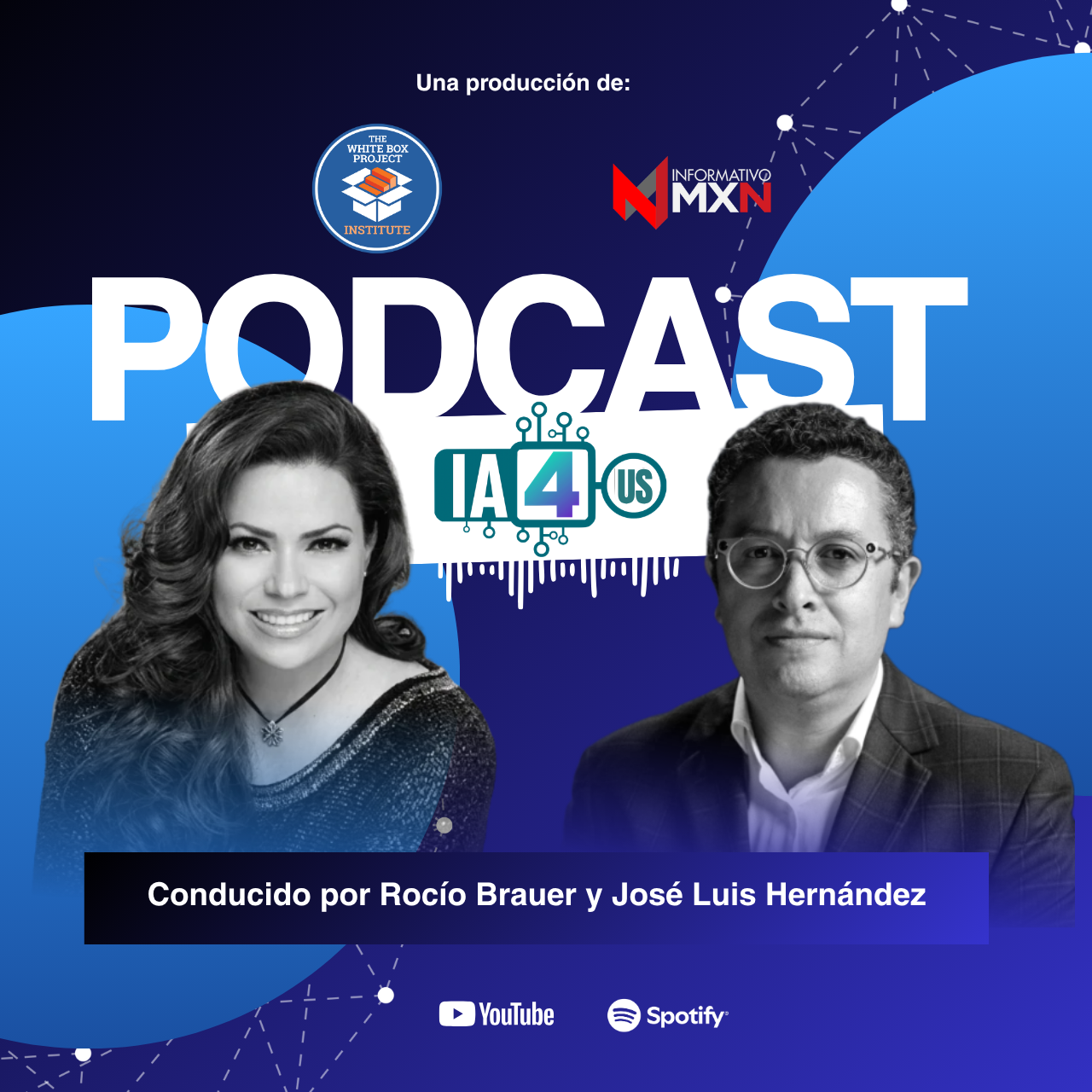
"IA 4US" is a space for conversation, analysis, and outreach created by The White Box Project Institute to bring the main challenges and opportunities of artificial intelligence closer to companies, specialists, leaders, and professionals interested in understanding its impact on today's world.
Hosted by Dr. José Luis Hernández Sánchez and journalist Rocío Brauer, each episode brings together specialists, CAIOs [Chief AI Officers], business leaders, and guests to share experiences, perspectives, and cases that help us understand how artificial intelligence is transforming organizations, industries, and our way of working.
Through engaging and accessible conversations, "IA 4US" addresses topics such as AI governance, ethics, compliance, risk management, cybersecurity, innovation, regulation, responsible adoption, and technical robustness, alongside trends and challenges defining the future of this technology.
More than just talking about artificial intelligence, we seek to generate conversations that provide knowledge, spark new ideas, and help build a responsible, secure, and purposeful adoption of AI.
Listen to "IA 4 US," meet our guests, and be part of the conversation about the present and future of artificial intelligence.
Episode 01 | THE ORIGINS: What Is Artificial Intelligence?
IA 4 US is a platform created by The White Box Project Institute that brings together specialists and CAIOs. The first season is launching in partnership with Informativo MXN and is hosted by Dr. José Luis Hernández Sánchez and journalist Rocío Brauer. The show explores the uses of artificial intelligence, along with its challenges, opportunities, and trends.
We have engaging conversations about AI’s technical robustness, governance, the application of ethics in organizations, compliance, and risk management, with the goal of making these topics accessible to Spanish-speaking audiences.
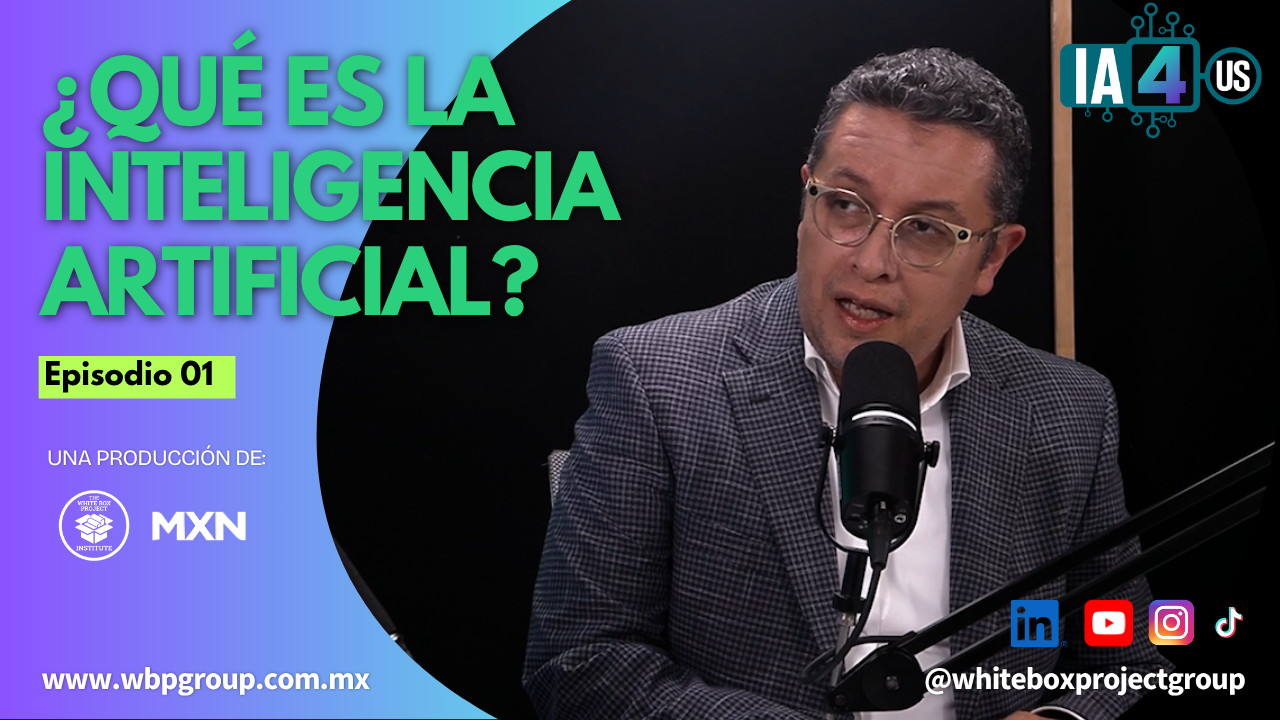
Episode 02 | AI… WHERE DO WE STAND?
How far has artificial intelligence really come, and are we ready to make the most of it? In this second episode of IA 4 US, Dr. José Luis Hernández Sánchez and journalist Rocío Brauer talk with Hiram Ponce Espinosa, president of the Mexican Society for Artificial Intelligence, to catch us up on the latest advances and where things stand today.
They discuss topics such as AI’s rapid growth, Mexico’s role—and that of its academic community—in all of this, and the challenges ahead as we work to build an ecosystem that is better prepared, more connected, and above all, responsible.
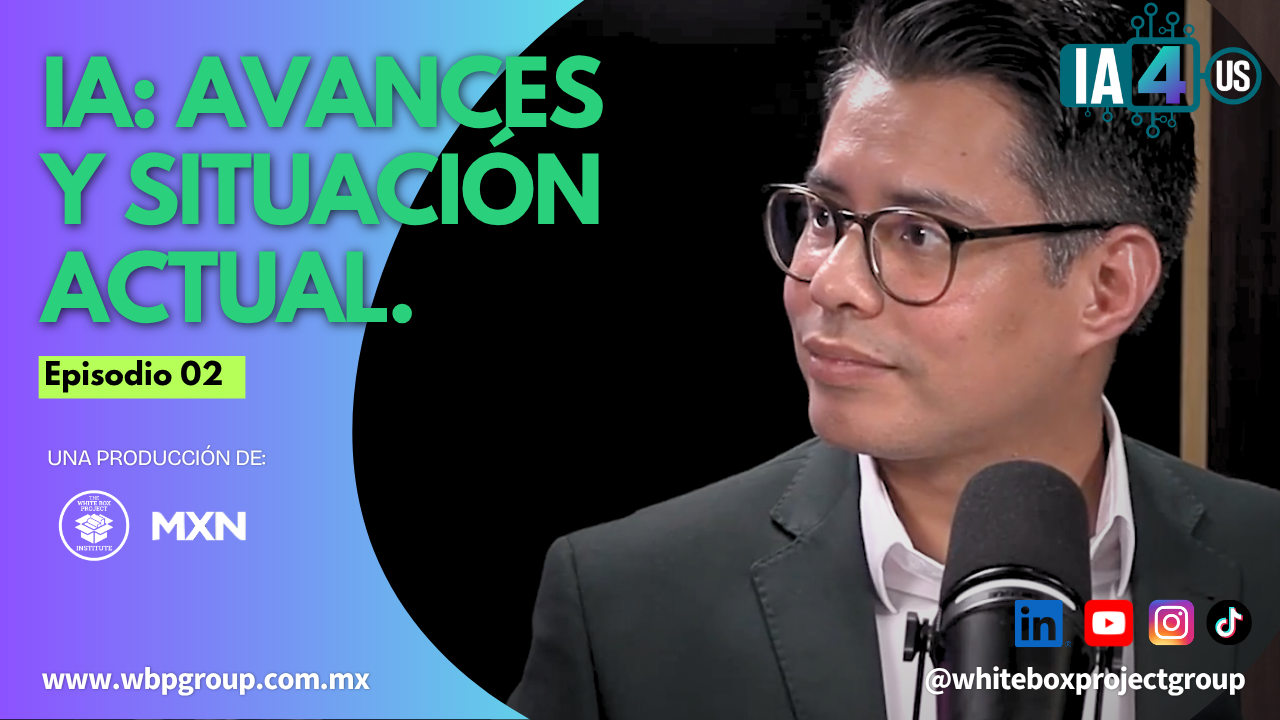
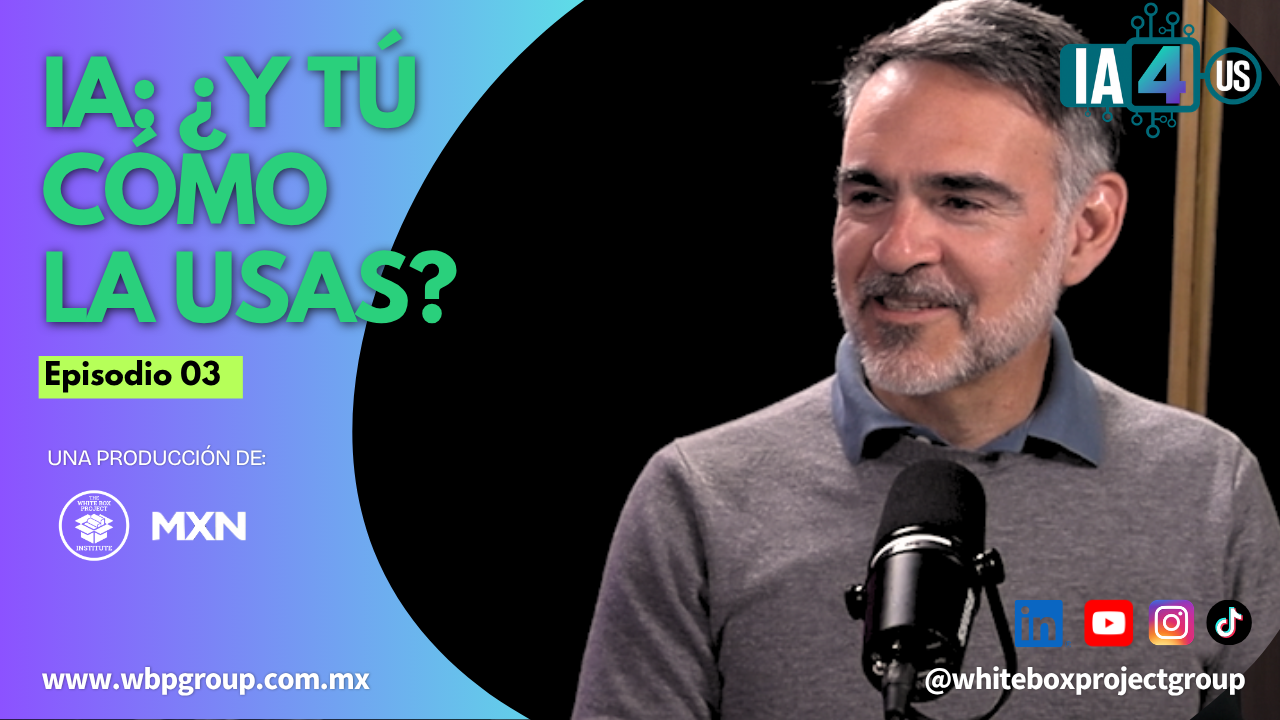
IA 4US - Episodio 03|AI… USES AND APPLICATIONS
How is artificial intelligence transforming our daily lives, and what are its real-world applications? In this third episode of IA 4 US, Dr. José Luis Hernández Sánchez and Rocío Brauer talk with Rudy Laddaga about the many ways AI is being used, its impact on human activities, and the possibilities it offers for solving problems, optimizing processes, and developing new tools.
This conversation explores how AI has moved beyond being an idea about the future or a simple technological tool to become an increasingly familiar part of everyday life. Today, it influences the way we work, learn, communicate, create content, find information, and make decisions—often without us even realizing it. Rather than asking whether artificial intelligence will become part of our lives…
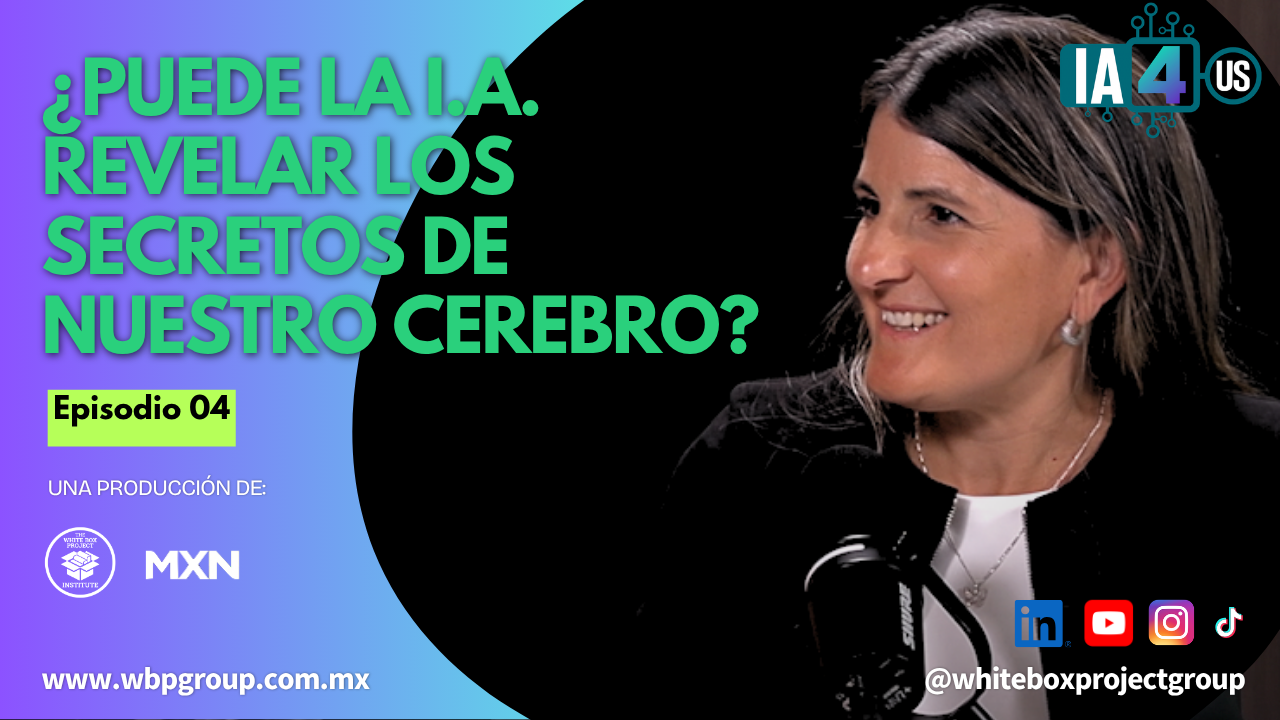
IA 4US - Episodio 04|AI… AND NEUROTECHNOLOGY
How is artificial intelligence changing our understanding of the brain, and what limits should we set on its use? In this fourth episode of IA 4 US, Dr. José Luis Hernández Sánchez and Rocío Brauer talk with Natalia Monti about the relationship between artificial intelligence, neurology, and new technologies in medicine.
They discuss the background and regulation of AI in neurology, advances that could make their way to Latin America, and the technology’s impact on medicine—from brain chips to virtual simulations of clinical cases. The episode also highlights the importance of training specialists who can establish ethical principles and clear limits to ensure AI is used responsibly.
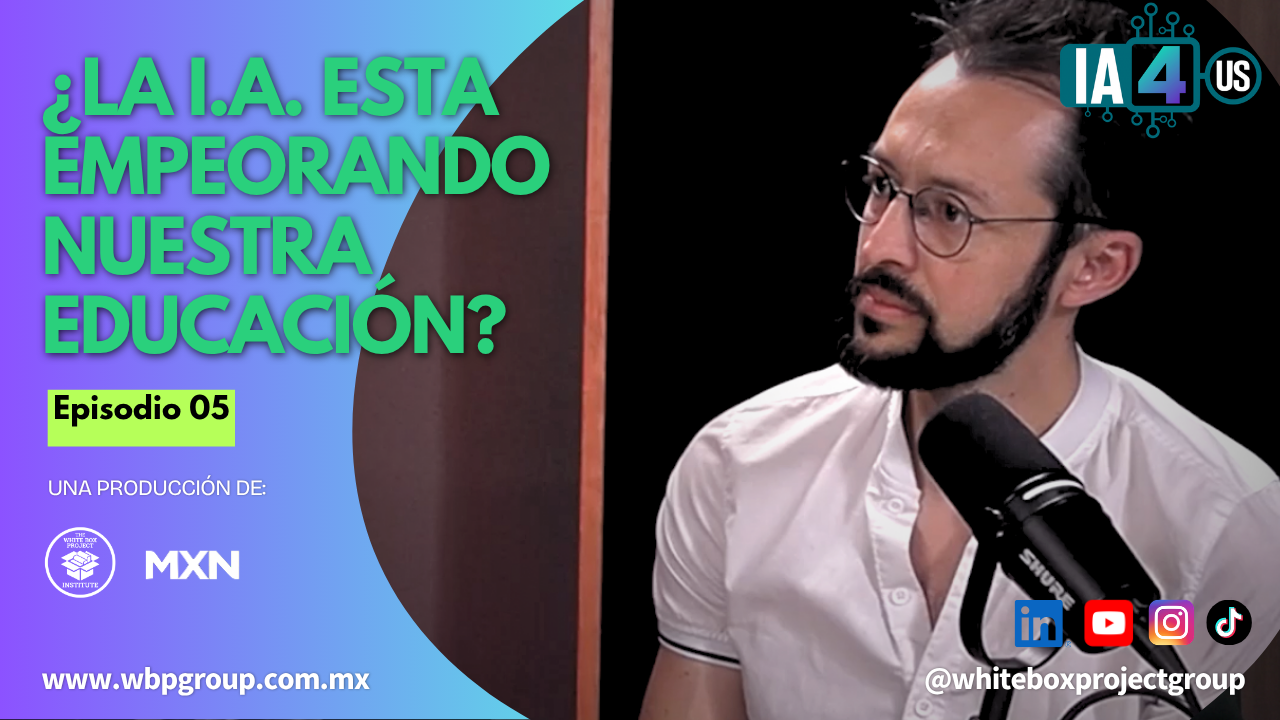
IA 4 US – Episode 05 | AI… AND EDUCATION
How is artificial intelligence changing the way we learn, and what skills are we leaving behind? In this fifth episode of IA 4 US, Dr. José Luis Hernández Sánchez and Rocío Brauer talk with Enrique Siquerios, director at Rētor and an ethical AI consultant, about the impact of this technology on education.
They discuss the risk of using AI as a substitute for studying and learning, the lack of practical AI training in schools and university programs, and the loss of traditional skills as we become increasingly dependent on technology. The episode also highlights the need to strengthen essential skills such as reading, math, and language proficiency, so AI can complement education without replacing human capabilities.
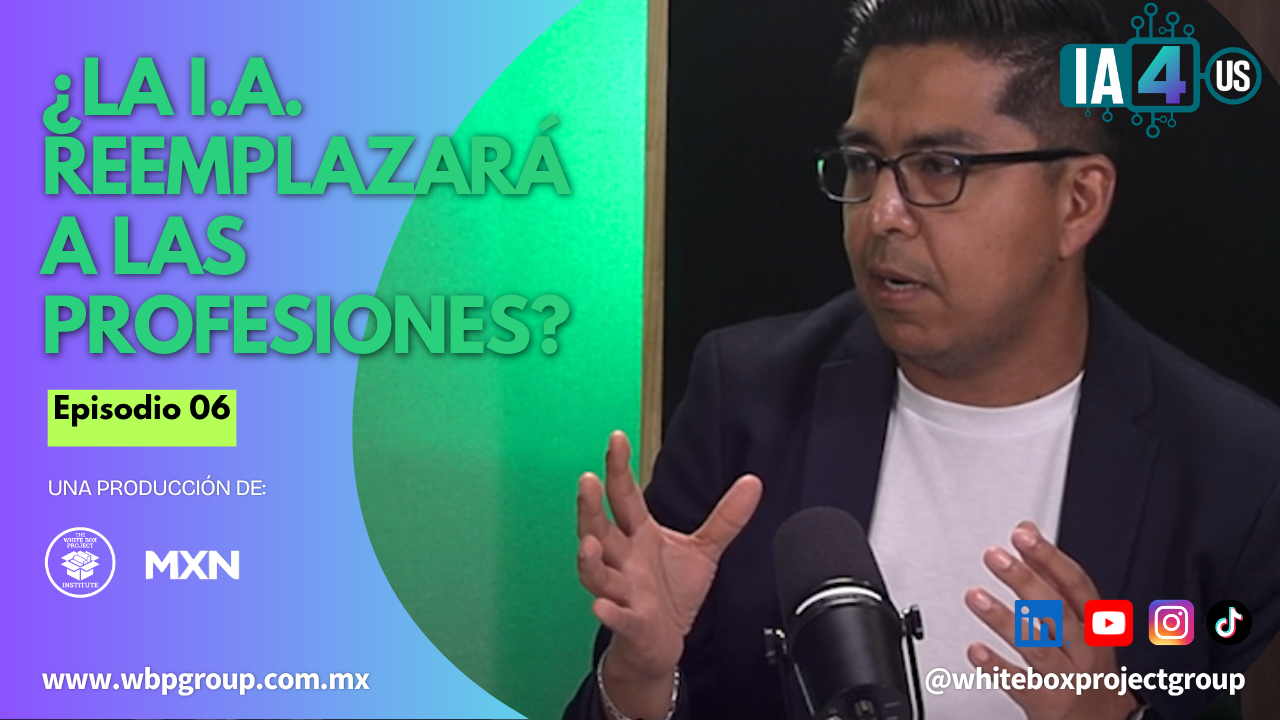
IA 4 US – Episode 06 | AI… AND THE FUTURE OF PROFESSIONS
How will artificial intelligence shape the future of professions, and what can we do to adapt? In this sixth episode of IA 4 US, Dr. José Luis Hernández Sánchez and Rocío Brauer talk with Jesús Manuel Vázquez Nicolás about AI’s impact on work, professional training, and new teaching methods.
They discuss fears about jobs disappearing, the loss of learning that can result from overusing digital tools, and educators’ responsibility to teach students to use AI in a controlled and responsible way. As with computers, the internet, and other technologies, artificial intelligence calls for adaptation: it should not replace students or professionals, but serve as a tool that expands their capabilities. The episode argues that professions won’t disappear; they will evolve, bringing new roles, methods, and ways of working.
IA 4US - Episodio 07|AI… AND DATA USAGE
After exploring how artificial intelligence is transforming education and the professions, in this seventh episode of IA 4 US we continue the conversation from a legal perspective: What happens to all the information we share when we use these technologies?
Dr. José Luis Hernández Sánchez and Rocío Brauer talk with Laura Enríquez, president of INFOCDMX, about how AI uses personal data to learn, the boundaries between innovation and privacy, and the challenges Mexico faces in regulating its use. From biometric data to behavioral and personality patterns, we look at how much technology can learn about us—and what protections we have.
We also discuss the risks of creating digital copies of people that can appear in videos or perform actions that never actually took place, as well as the responsibility of governments, institutions, and companies to protect our identities and rights.

IA 4 US – Episode 08 | Is Technological Sovereignty Possible?
In this eighth episode of IA 4 US, Dr. José Luis Hernández Sánchez and Rocío Brauer talk with Pablo Cerrillo, co-founder of EstrategIA, about the challenges Mexico faces in building its own AI capabilities and moving toward true technological sovereignty. From the technological dominance of the United States and China to the growing adoption of AI by Mexican businesses, we look at who is behind the technologies transforming the way we work.
We also discuss the importance of data, specialized talent, and collaboration among academia, industry, and government. What does Mexico need to develop its own algorithms, infrastructure, and talent? How can Mexican startups, research, and public policy help close the technology gap?
We also explore the opportunities AI offers in strategic sectors such as industry and agriculture, as well as challenges involving regulation, ethics, governance, and oversight of these emerging technologies. In an increasingly competitive global landscape, one question is crucial: Is Mexico ready to develop its own artificial intelligence?
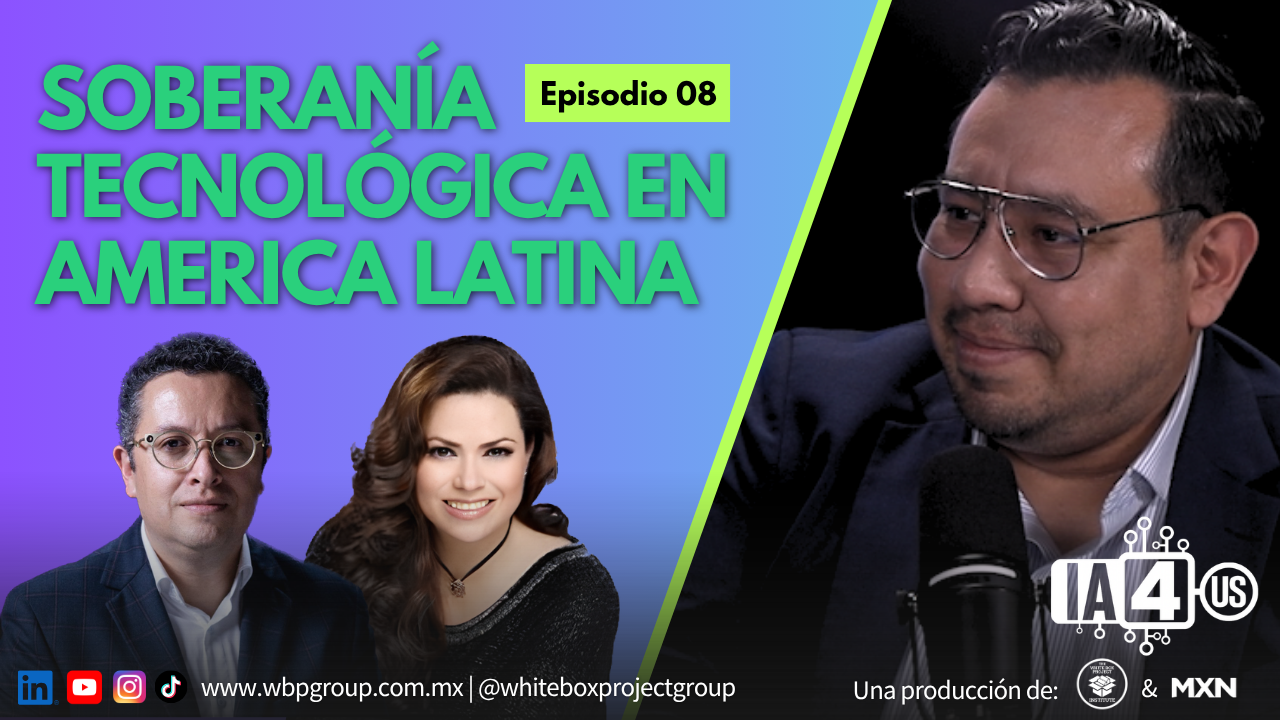
IA 4 US – Episode 09 | Do You Know About the IPN Computing Center?
Artificial intelligence is advancing at a pace that is transforming not only technology, but also how professionals are trained and knowledge is created. In this ninth episode of IA 4 US, we ask: Where is AI taking us, and what does Mexico need to stop depending on technology developed in other countries?
Dr. José Luis Hernández Sánchez and Rocío Brauer talk with Dr. Humberto Sossa, director of the CIC at IPN, about the evolution of AI, its impact on training the next generation of engineers, and the role of education in building technological sovereignty. From neural networks and data science to ethics and regulation, we explore how Mexico can develop the skilled workforce needed to understand, oversee, and make the most of these tools.
We also discuss the challenges of bringing IPN research and patents to market as products and solutions, along with the opportunities AI and robotics offer in sectors such as agriculture, industry, and services. As this technology changes day by day, one question remains: How can we prepare the next generation for a future we cannot yet predict?
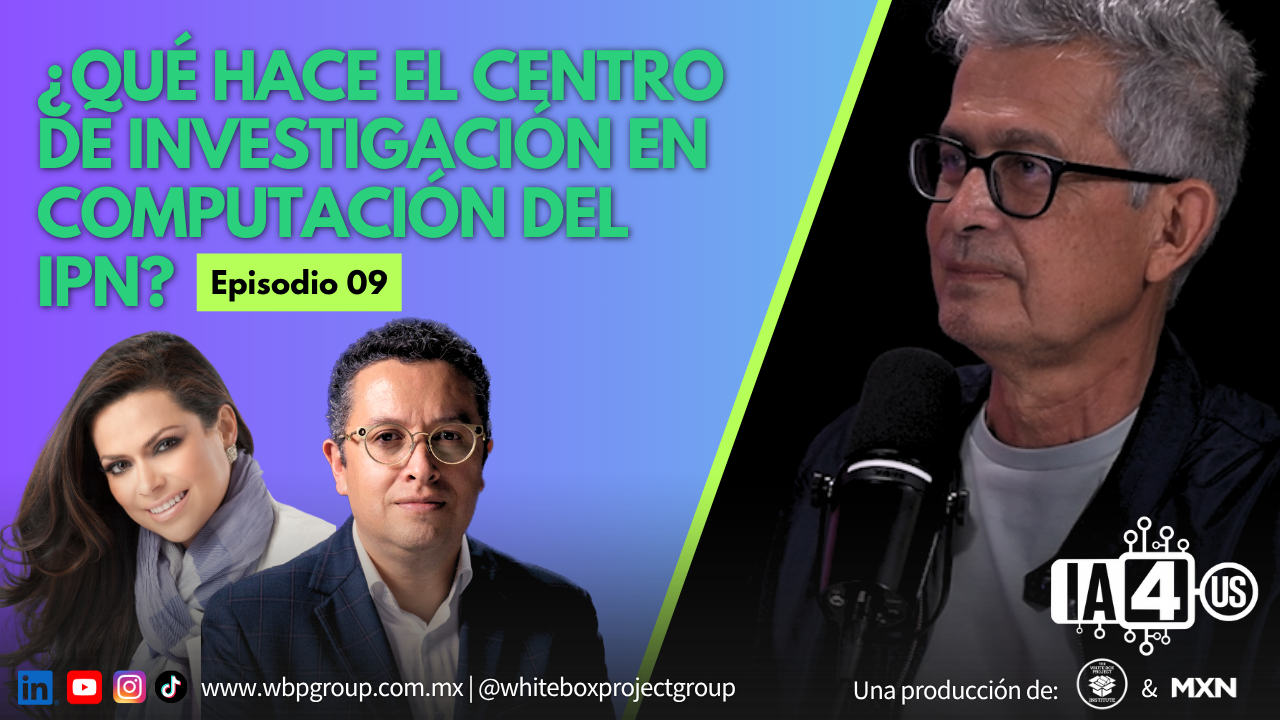
IA 4 US – Episode 10 | AI… AND HEALTHCARE
How can artificial intelligence transform healthcare and improve the services people receive? In this tenth episode of IA 4 US, we explore how these technologies could strengthen prevention, early detection, and healthcare, as well as the challenges of bringing innovation to Mexico and Latin America.
Dr. José Luis Hernández Sánchez and Rocío Brauer talk with Alex Marroquín about innovation, entrepreneurship, and the development of AI solutions for healthcare. Using Nesa Care as a case study, we discuss how neural networks, data, and personalized questionnaires can generate insights to identify risk factors and support healthcare professionals—without replacing medical diagnosis.
We also look at the technology gap between the United States, Europe, and Latin America, the role of venture capital in advancing new ideas, and the importance of generating data that can support technologies tailored to different populations. From scientific innovation to preventive care, we consider how AI could help reduce inequalities and transform the way people access and experience healthcare.
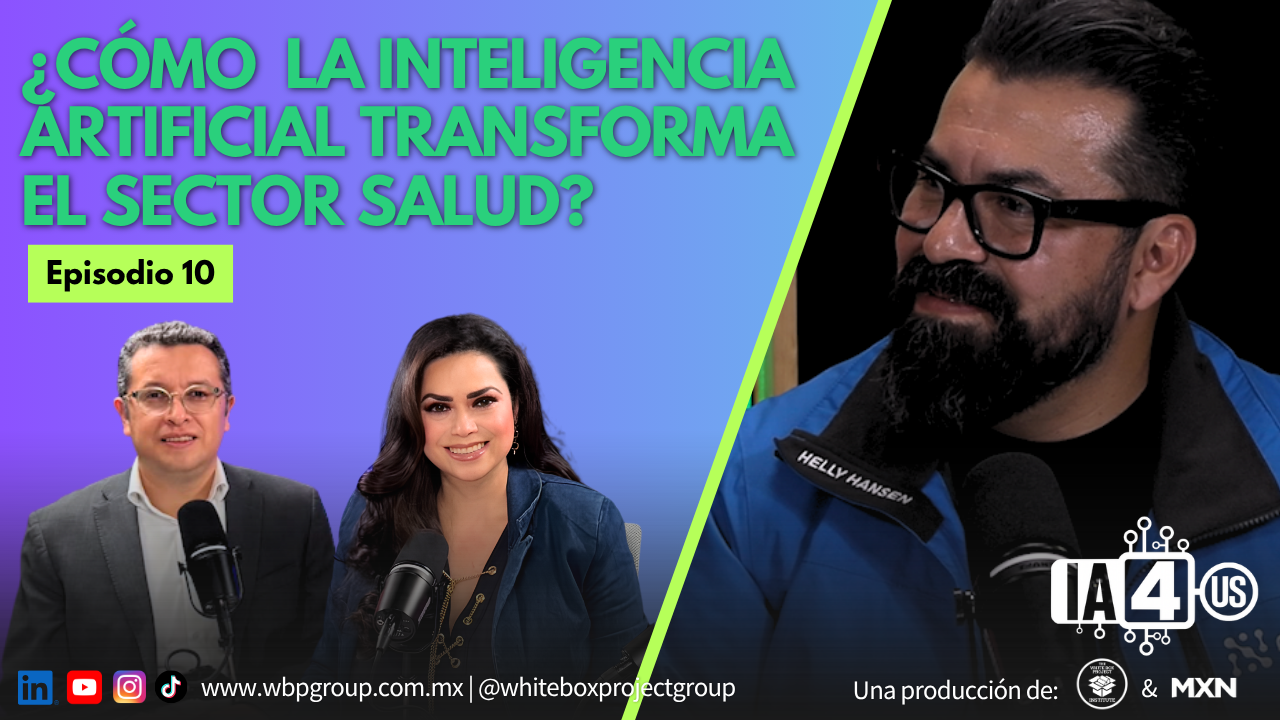
IA 4 US – Episode 11 | AI… AND EMOTIONS
Can artificial intelligence understand our emotions? In this episode of IA 4 US, we explore how these technologies are becoming increasingly capable of interpreting our facial expressions, tone of voice, preferences, and behavior—and ask: How far can a relationship go between humans and an AI that cannot feel?
Dr. José Luis Hernández Sánchez and Rocío Brauer talk with Daniela López Casa, CEO of INTELIAHUB, about affective computing and the new ways AI is entering fields such as mental health, personalized education, medical diagnosis, and decision-making. We also examine the benefits and risks of using these tools for emotional support, especially when they can create bonds that seem human.
We also discuss the importance of AI literacy, the responsibility of companies, developers, and lawmakers, and the need for ethical guidelines for implementing these technologies. As AI reshapes our capabilities and the way we relate to one another, one question remains: How can we make the most of artificial intelligence without losing sight of our own humanity?
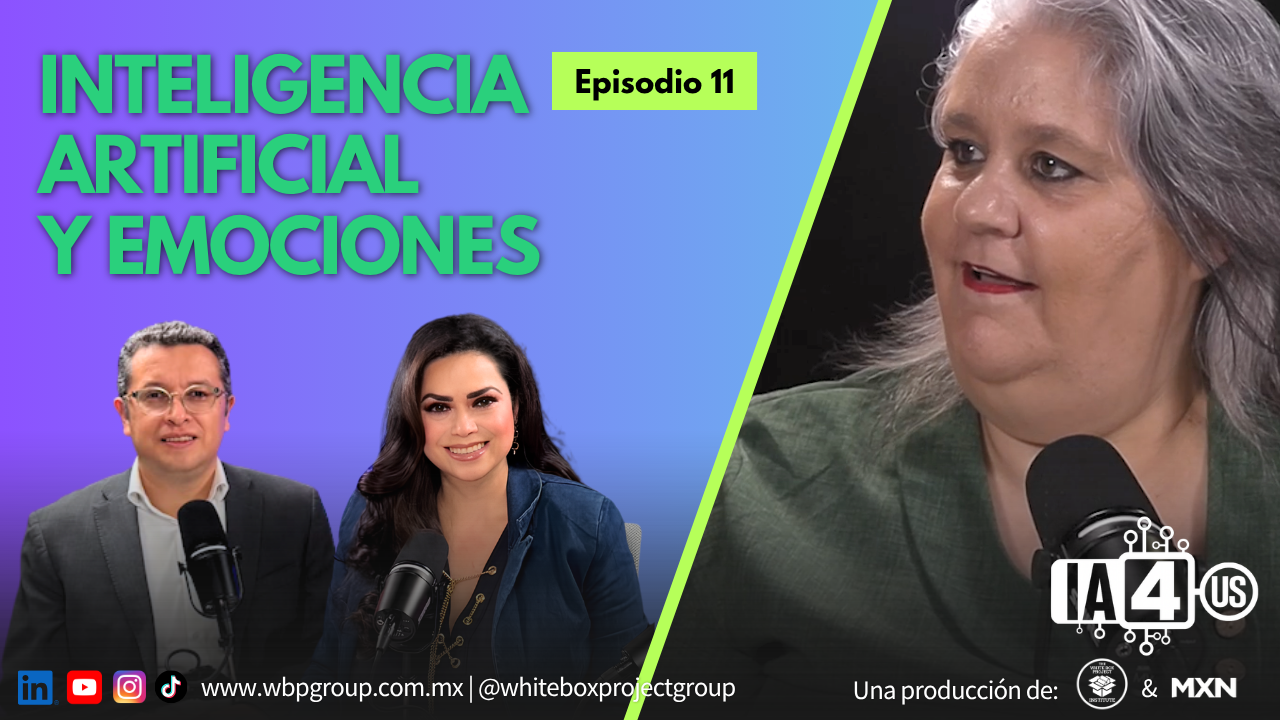
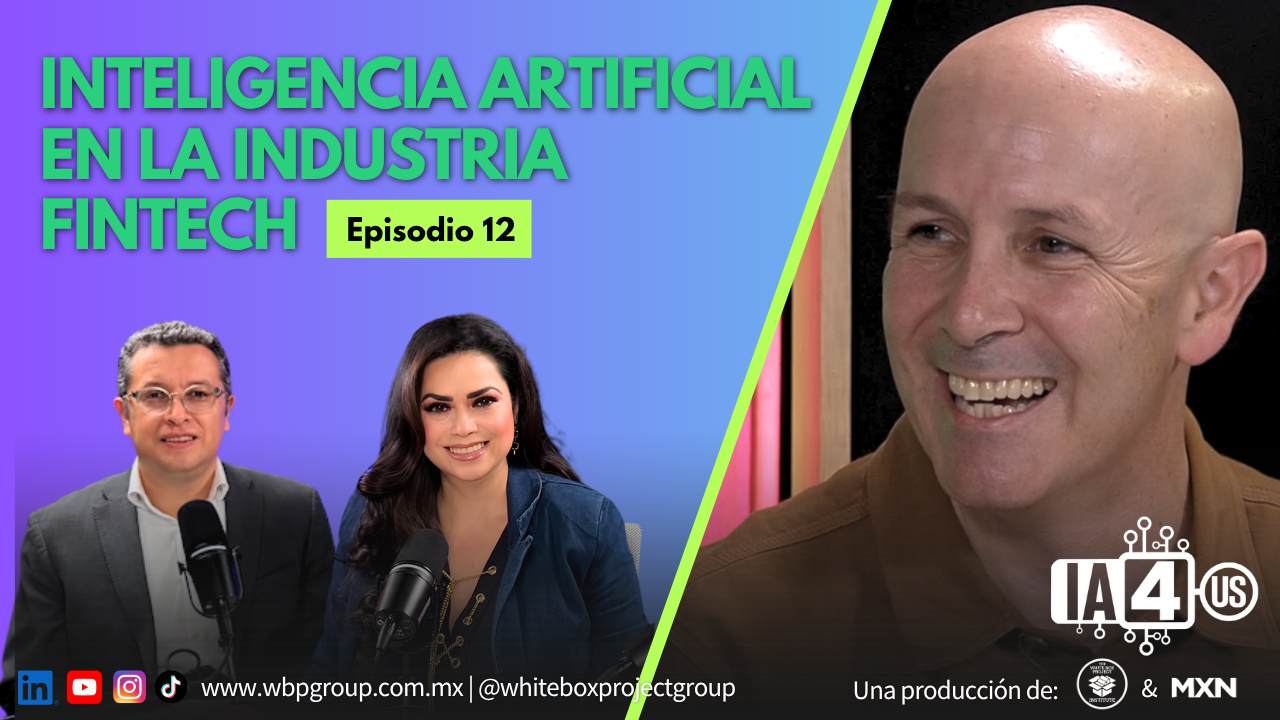
IA 4 US – Episode 12 | AI… IN THE FINTECH INDUSTRY
How is artificial intelligence changing the way we access, use, and understand financial services? In this episode of IA 4 US, we explore the growth of the fintech industry and the role technology plays in transforming Mexico’s financial sector.
Dr. José Luis Hernández Sánchez and Rocío Brauer talk with Andrés Fontao, CEO of Finnosummit, about the evolution of fintech, its ability to offer more accessible, personalized, and efficient services, and how AI is accelerating this transformation. From payments, savings, and investments to open banking, we look at how these technologies can bring financial services to more people and help reduce financial exclusion.
We also discuss the challenges regulators face as technology advances rapidly, along with the importance of data ownership, privacy, and ethics in the use of AI. As innovation continues to expand into new industries, we consider how fintech and AI can reshape the financial experience and create new opportunities for people.
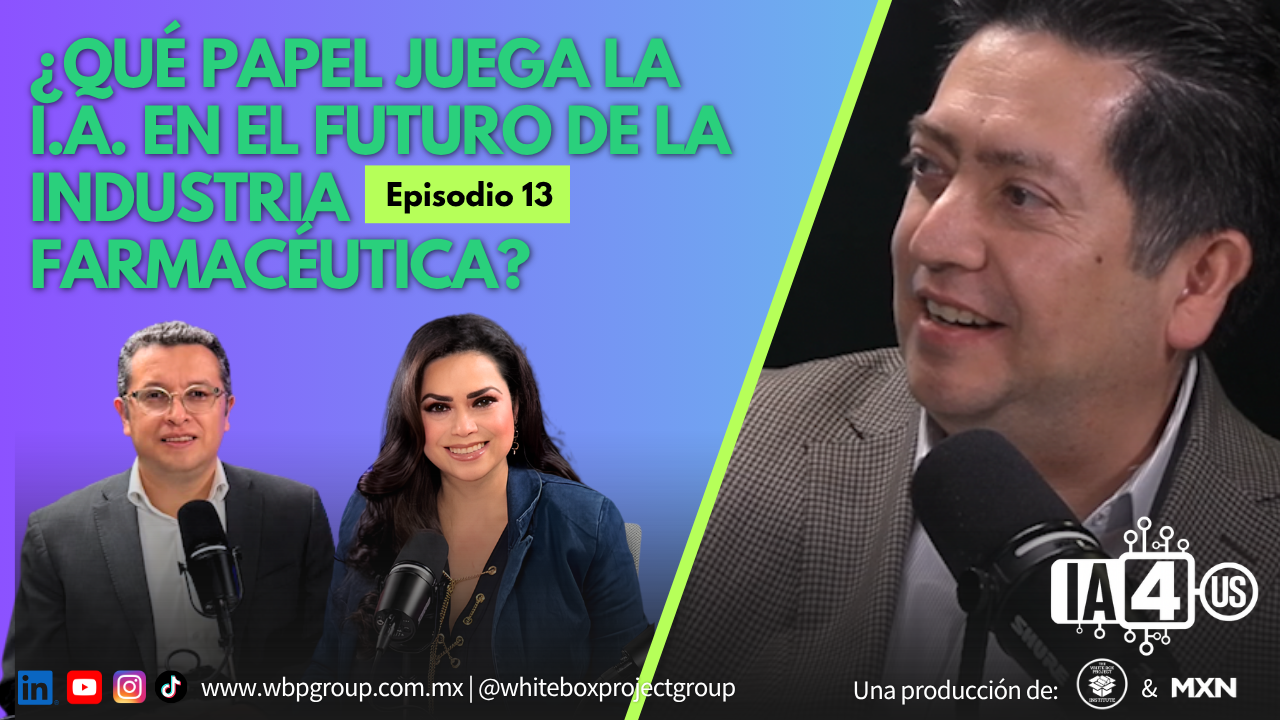
IA 4 US – Episode 13 | What Role Will Artificial Intelligence Play in the Future of the Pharmaceutical Industry? Hosts: Rocío Brauer and José Luis Hernández
How is artificial intelligence transforming the pharmaceutical industry, and what challenges does its implementation pose in a sector where ethics, transparency, and compliance are essential? In this episode of IA 4 US, we explore the opportunities AI offers to advance research, improve processes, and benefit patients.
Dr. José Luis Hernández Sánchez and Rocío Brauer talk with Marco Escoto, executive secretary of the Council for Ethics and Transparency in the Pharmaceutical Industry (CETIFARMA), about AI’s role in the pharmaceutical industry and the importance of compliance. From researching and developing new molecules to producing and distributing medicines, we look at how AI can make processes more efficient and help bring solutions to patients sooner.
We also discuss the ethical, regulatory, and compliance challenges these technologies raise, as well as the need to build AI literacy among healthcare professionals. How can we ensure innovation moves forward without compromising safety, transparency, and integrity? Given AI’s enormous potential to transform the industry, we reflect on the importance of developing the capabilities to use it responsibly.
UNESCO Resources


Partnerships
Reports & Publications

Organizations Represented by Alumni of Our Programs

Contact
We welcome your inquiries. Please use the form below to request information, share feedback, or explore potential collaboration opportunities
Calle Newton 186, Polanco, Miguel Hidalgo, 11560 Ciudad de México
Call us
(52) 55 1334 4054
(52) 55 2648 5116
Schedule
Monday to Friday from 9:00 a.m. to 6:00 p.m.